Methodology
How we test dog GPS trackers
Every verdict on this site must trace back to a dated test on a real dog, and the first structured cycle is running now. This page is the contract: what we buy, what we measure, how we score, and what we refuse to do.
We buy at retail, with our own money
No loaner units, no seeded review samples. We order from the same store pages you do, pay the same subscription prices, and eat the same activation fees. When a brand changes pricing mid-cycle, our cost tables change with it, with the date noted.
What we measure
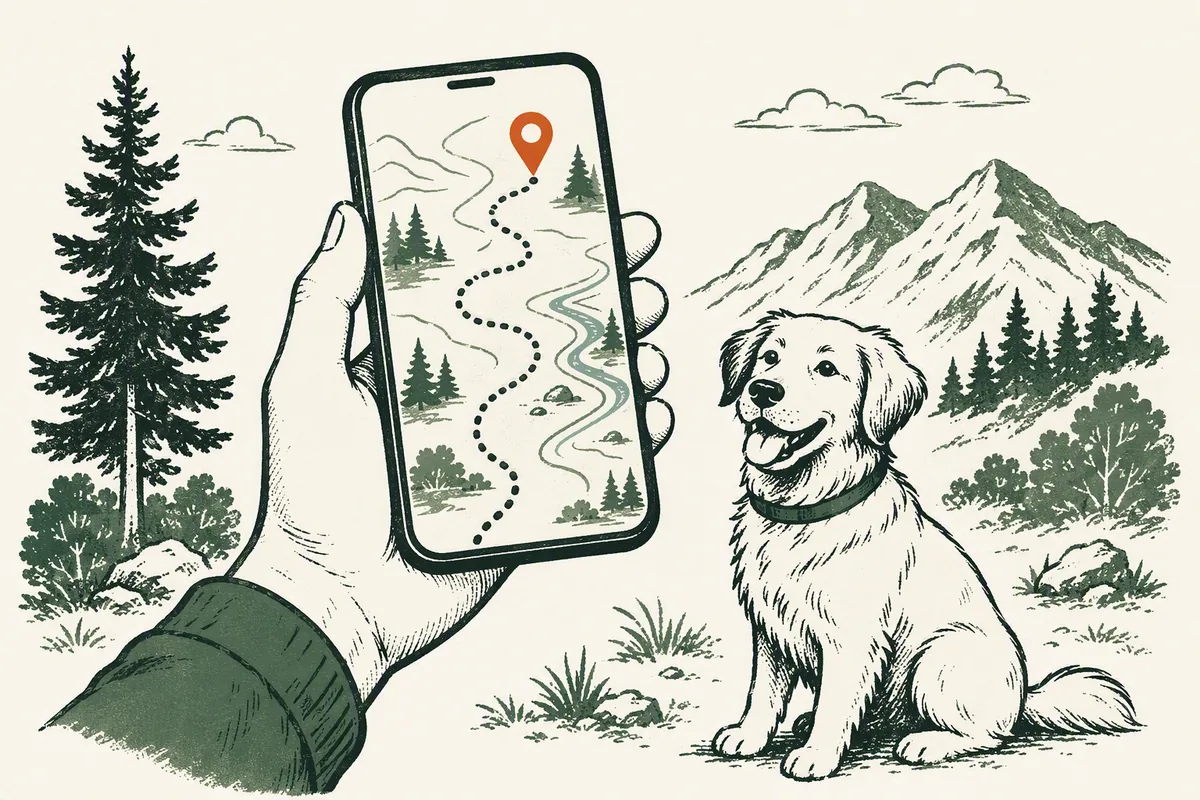
- Fix accuracy: tracker-reported position vs a phone GPS baseline on the same walks, logged per session.
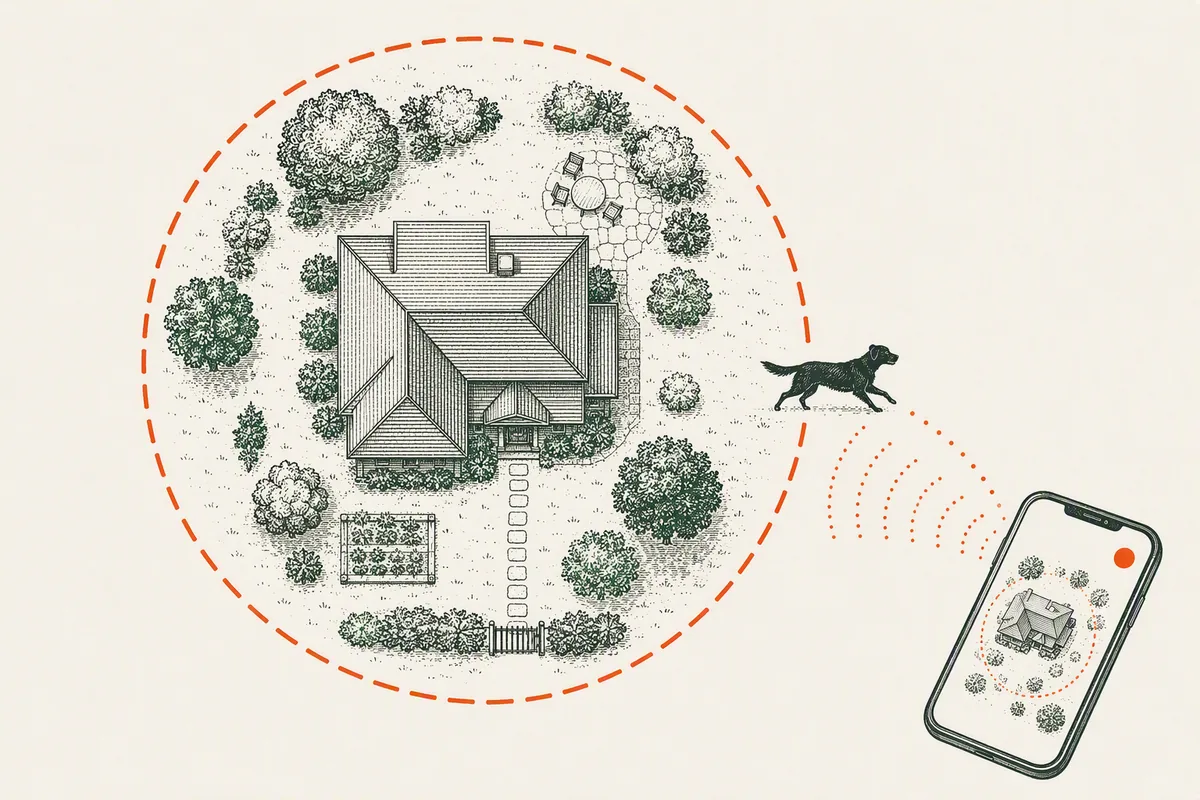
- Escape-alert latency: stopwatch time from crossing a geofence to the phone notification, repeated across days and locations.
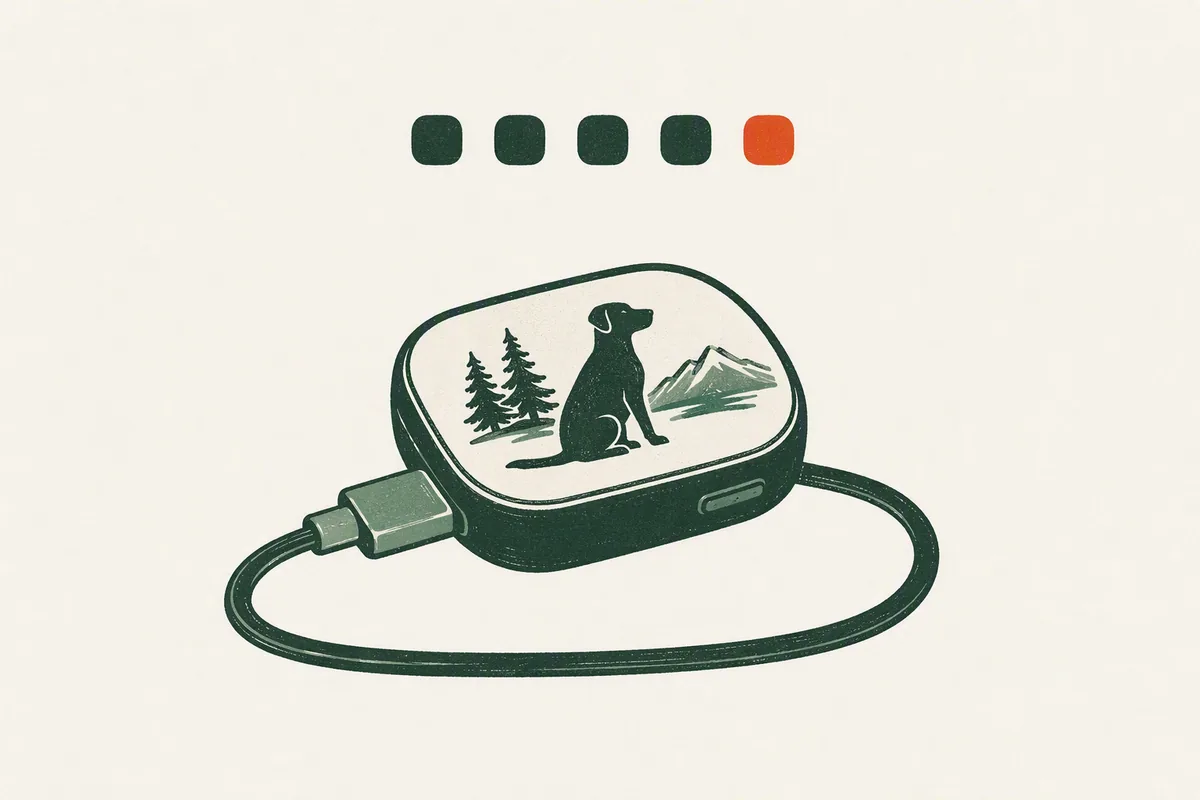
- Battery runtime: measured per mode (standby vs live tracking), not the number on the box.
- True cost: device + subscription + fees over years 1, 2 and 3, the math brands keep off their pricing pages.
- Owner-complaint reproduction: we collect the most common complaints for each device and state which ones we could reproduce.
What we refuse to do
- No rankings of devices we haven’t physically tested. Desk-researched pages are labeled as such, every time.
- No aggregate star ratings invented from one tester’s opinion.
- No “updated” dates without an actual re-test or fact-check behind them.
- No affiliate-driven ordering. If the best device has no affiliate program, it still ranks first.
Re-testing cadence
GPS trackers change under your feet: firmware updates, plan price changes, network migrations. Wave-1 review verdicts get re-verified quarterly; every re-check lands in the testing log with a date. If a verdict changes, every page that references it is updated the same day.
Questions about the protocol? Ask us directly. Methodology critiques get answered in public.