UK data guide · checked 29 August 2026
Dog theft in the UK: statistics, law and prevention
Dog theft in the UK is falling. Far from beaten. Police forces recorded 1,626 stolen dogs in 2025, roughly four every day, and only about one in five came home. This guide sets out the latest verified dog theft statistics for the UK, explains the Pet Abduction Act 2024 (the dog theft law most owners still have not heard of), and covers where thefts happen and what genuinely reduces your risk. Every figure is dated and sourced, and we last checked them all on 29 August 2026.
How many dogs are stolen in the UK?
The most recent nationwide figures come from Direct Line's annual freedom of information (FOI) requests to UK police forces, published on 21 May 2026 through the Aviva newsroom (Aviva completed its takeover of Direct Line in July 2025). We read the release ourselves on 29 August 2026 rather than relying on second-hand summaries, because a surprising amount of what ranks for dog theft statistics UK is still quoting 2021 numbers.
| Measure | Figure | Context |
|---|---|---|
| Dogs reported stolen, 2025 | 1,626 | Roughly four per day |
| Dogs reported stolen, 2024 | 1,808 | 2025 was down about 11% |
| Stolen dogs recovered, 2025 | 344 | About 21%: nearly four in five never came home |
| Reported thefts over the past 11 years | 25,000+ | Cumulative UK total |
| Owners who worry about theft | 50% | Direct Line owner survey, same release |
Two things stand out. First, the direction of travel is good: 2025 was down about 11% on 2024. Direct Line suggests the Pet Abduction Act and better owner awareness may both have contributed. Second, the recovery rate is dismal. Only 344 of 1,626 stolen dogs were recovered, about 21%. Anything that shortens the gap between a dog disappearing and someone knowing where it went matters enormously here. It is the main reason we test GPS trackers at all, and our current tested picks are in our best dog GPS trackers guide.
Any reduction in dog theft is welcome, but it's important not to confuse lower numbers with lower risk.
That warning comes from Adam Burgin, head of trading and customer at Direct Line, in the May 2026 release, and we think it is the right way to read the numbers. These are reported thefts only. Not every police force answers every FOI round, and some owners never report a theft at all, so the true total is higher than the recorded one. Treat 1,626 as a floor. Not a ceiling.
Dog theft law UK: the Pet Abduction Act 2024
Since 24 August 2024, taking someone's dog has been a specific criminal offence in England and Northern Ireland under the Pet Abduction Act 2024. Before that, dog theft was prosecuted under the Theft Act 1968, which treats a dog exactly like a stolen laptop: property, valued at market price, with sentencing to match. Campaigners argued for years that this ignored what losing a dog actually does to a household, and the 2024 Act is the result.
What the Pet Abduction Act 2024 actually says
The Act, which received royal assent on 24 May 2024 and whose offences came into force three months later on 24 August 2024, creates two new offences: dog abduction and cat abduction. Dog abduction covers taking a dog, or detaining one, so as to remove it from or keep it from the lawful control of its owner or keeper. That "detaining" limb matters: keeping a dog you found, knowing someone is looking for it, can fall within the offence. The Act also contains a power to extend protection to other commonly kept pets by regulation if the evidence supports it.
The Pet Abduction Act sentence
The maximum Pet Abduction Act sentence is five years' imprisonment, a fine, or both, on conviction on indictment. Less serious cases dealt with in magistrates' courts carry shorter custodial limits. Five years is the same headline maximum that applied under the Theft Act for most realistic dog theft scenarios, so the practical change is less about longer sentences and more about recognition: a specific offence means dog abduction is recorded, charged and reported as its own crime rather than disappearing into general theft statistics.
Scotland and Wales are not covered
The Act's offences apply in England and Northern Ireland only. In Scotland, dog theft continues to be prosecuted as common law theft. In Wales, the Theft Act 1968 still applies. In both nations a dog remains, legally, property. If your dog is stolen in England or Northern Ireland, it is worth explicitly asking the police to record the crime under the Pet Abduction Act 2024 rather than as lost property or generic theft. It affects how the case is categorised and, in aggregate, how visible the problem stays.
Dog theft hotspots: where thefts happen
County-level dog theft data is patchier than the national headline, because it depends on which police forces answer the FOI requests in any given year. The most recent verified county figure we have is from the 2024 dataset: Kent was the worst county for dog theft, with 152 reported cases. Lists of "top ten dog theft hotspots" circulating online are mostly recycled from older releases, so check the year on anything you read, including this page (we last verified it on 29 August 2026).
Where thefts happen is better understood than where in the country they cluster. The recurring scenarios police and welfare charities describe are unattended moments: dogs taken from gardens, dogs tied up outside shops, dogs left in cars, and dogs snatched or lured on walks. Some of this is opportunist, some organised, and the split matters less than the pattern: almost every scenario involves a dog briefly out of sight or out of reach of its owner. We deliberately do not quote percentages for each scenario because we have not found a current, verifiable source for them, and we would rather leave a number out than make one up.

Which breeds are stolen most?
The 2025 data shows a clear pecking order. The French Bulldog was the most stolen breed for another year, with 39 reported thefts. Staffordshire Bull Terrier thefts rose 23%, German Shepherd thefts rose 38%, and reported Dachshund thefts more than doubled. Cocker Spaniels ranked only eighth overall but showed the fastest year on year growth in the dataset.
The common thread is resale value and demand: small, fashionable, expensive breeds that are easy to pick up and easy to sell on. We keep a separate, annually refreshed breakdown with the full table, per-breed risk notes and tracker fit suggestions in our guide to the most stolen dog breeds in the UK.
Preventing dog theft: what actually helps
There is no single product that stops dog theft, and we would be suspicious of anyone selling one. What works is layers. Each one makes your dog a slightly harder target or a faster recovery:
- Never leave your dog unattended in public. Tied outside a shop or left in a car covers a large share of the theft scenarios police describe. This is the cheapest and most effective layer there is.
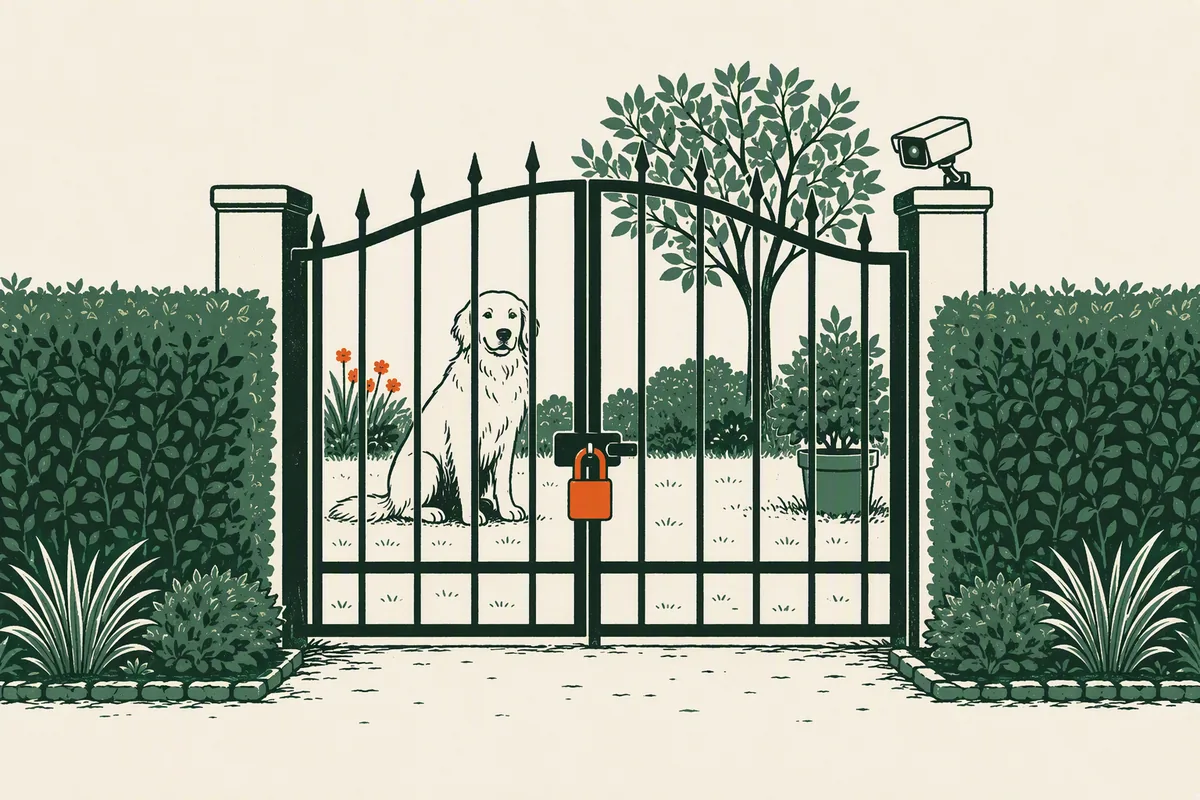
- Secure your garden. Locked gates, sight lines from the house, and not leaving a dog out alone for long stretches. Garden takings feature repeatedly in reported cases.
- Vary your walking routine. Predictable times and routes make targeted theft easier. Mix them up. Be wary of strangers who ask detailed questions about your dog's value or breeding status.
- Keep microchip details current. Microchipping is a legal requirement for dogs across Great Britain, but a chip only helps if the registered phone number and address are up to date. Check yours today. It takes five minutes.
- Keep good photos. Recent, clear photos from several angles, including any unique markings, make posters, social appeals and police reports far more effective.
- Train a reliable recall. A dog that comes back fast is harder to lure and spends less time out of your reach.
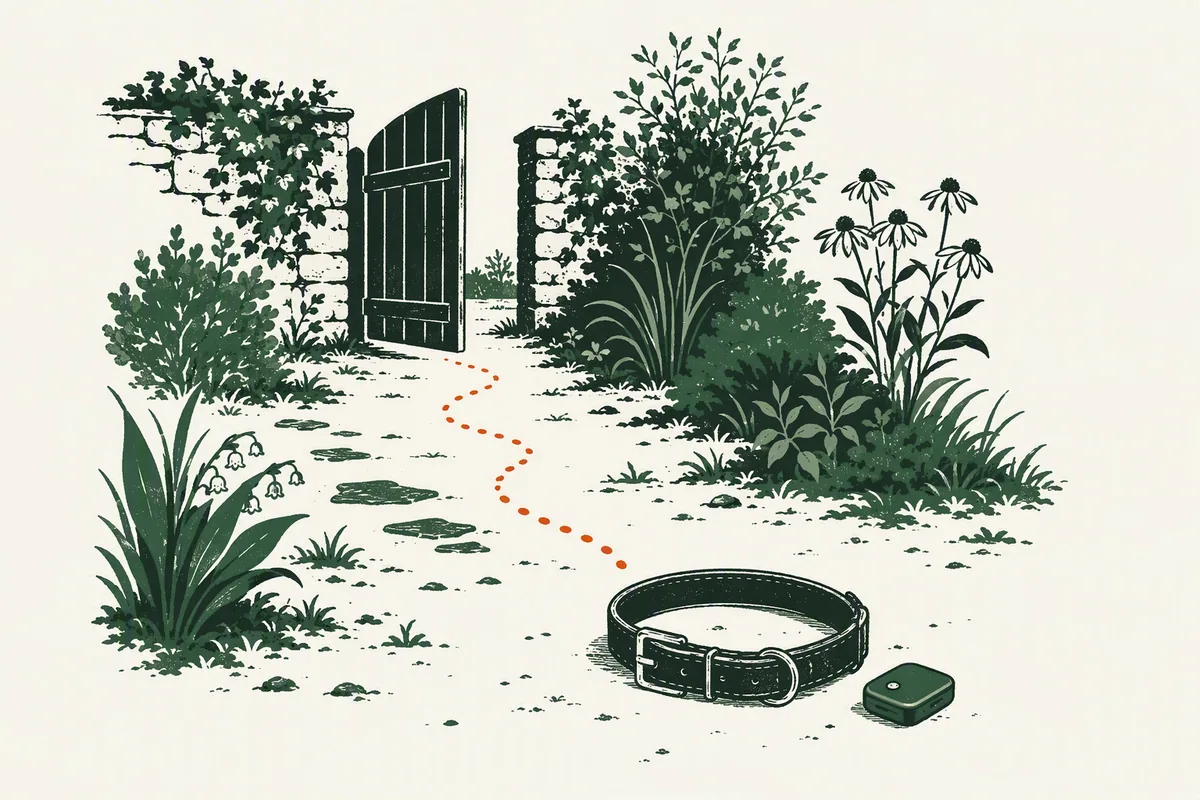
- Add a tracking layer. A GPS tracker will not stop a thief, and we say so plainly, but it can tell you where your dog went in the minutes that matter most. We have written an honest, separate assessment of exactly this question: do GPS trackers stop dog theft?
Half of UK owners say they worry about theft. The point of the layers is not to live anxiously. It is to do the cheap, boring things once, so the worry has less to feed on.

What to do if your dog is stolen
Speed matters more than anything else in the first hours. The recovery statistics show why: most stolen dogs that come home come home early.
- Call 999 if the theft is happening or has just happened. Otherwise report on 101 or through your force's online portal. Insist it is recorded as a crime (in England and Northern Ireland, under the Pet Abduction Act 2024), and get a crime reference number. You will need that number for everything that follows.
- Flag your dog as stolen on the microchip database. This means any vet or rescue that scans the chip sees the alert.
- If your dog wears a GPS tracker, open live tracking immediately and screenshot the location history before anything changes. Give it to the police with your crime reference number. Do not go and confront anyone yourself.
- Spread the word fast: DogLost, local social media groups, vets, rescues and dog wardens within a realistic radius.
We keep a fuller step-by-step, covering the lost-versus-stolen ambiguity most real cases start with, in our guide on how to find a lost dog.
Questions owners actually ask
How many dogs are stolen in the UK each year?
Around 1,626 dogs were reported stolen across the UK in 2025, roughly four per day, according to Direct Line's analysis of police FOI data published in May 2026. That is down about 11% from 1,808 in 2024. Reported figures understate the true total, since not every theft reaches the police.
Is dog theft a specific crime in the UK?
The Pet Abduction Act 2024 made dog abduction a specific criminal offence in England and Northern Ireland from 24 August 2024. In Scotland dog theft is prosecuted under common law theft, and in Wales under the Theft Act 1968, where a dog is still legally treated as property rather than a sentient companion.
What is the maximum sentence under the Pet Abduction Act 2024?
The Pet Abduction Act 2024 carries a maximum sentence of five years' imprisonment, a fine, or both, on conviction on indictment. Magistrates' courts can impose shorter custodial sentences in less serious cases. The Act received royal assent on 24 May 2024 and its offences came into force on 24 August 2024.
What percentage of stolen dogs are recovered in the UK?
About 21% of stolen dogs were recovered in 2025: 344 of the 1,626 reported to UK police, according to Direct Line's May 2026 analysis. Nearly four in five stolen dogs never came home, which is why fast reporting, current microchip details and a tracker's last known location all matter.
Does the Pet Abduction Act 2024 apply in Scotland and Wales?
The Pet Abduction Act 2024 does not apply in Scotland or Wales. Its dog and cat abduction offences came into force only in England and Northern Ireland on 24 August 2024. Scottish cases proceed under common law theft and Welsh cases under the Theft Act 1968, both treating dogs as property.